
Stella Lefty’s “Boston”: How a TikTok Song Became One of 2026’s Biggest Hits
A song that began as a short clip on TikTok has become one of the biggest pop-country hits of 2026.
Stella Lefty’s “Boston” has gone from a social-media preview to a No. 2 hit on the Billboard Hot 100, turning the Chicago-born singer-songwriter into one of the year’s most talked-about new artists.
But the story behind “Boston” is more complicated than a simple overnight-success story.
The song’s rapid rise has brought Lefty a huge audience, a debut album, major touring opportunities and attention from the country-music world. It has also sparked conversations about songwriting originality, her wealthy family background and the increasingly important role TikTok plays in breaking new artists.
Here is how “Boston” became a breakout hit—and why Stella Lefty’s rise has generated so much discussion.
Who Is Stella Lefty?
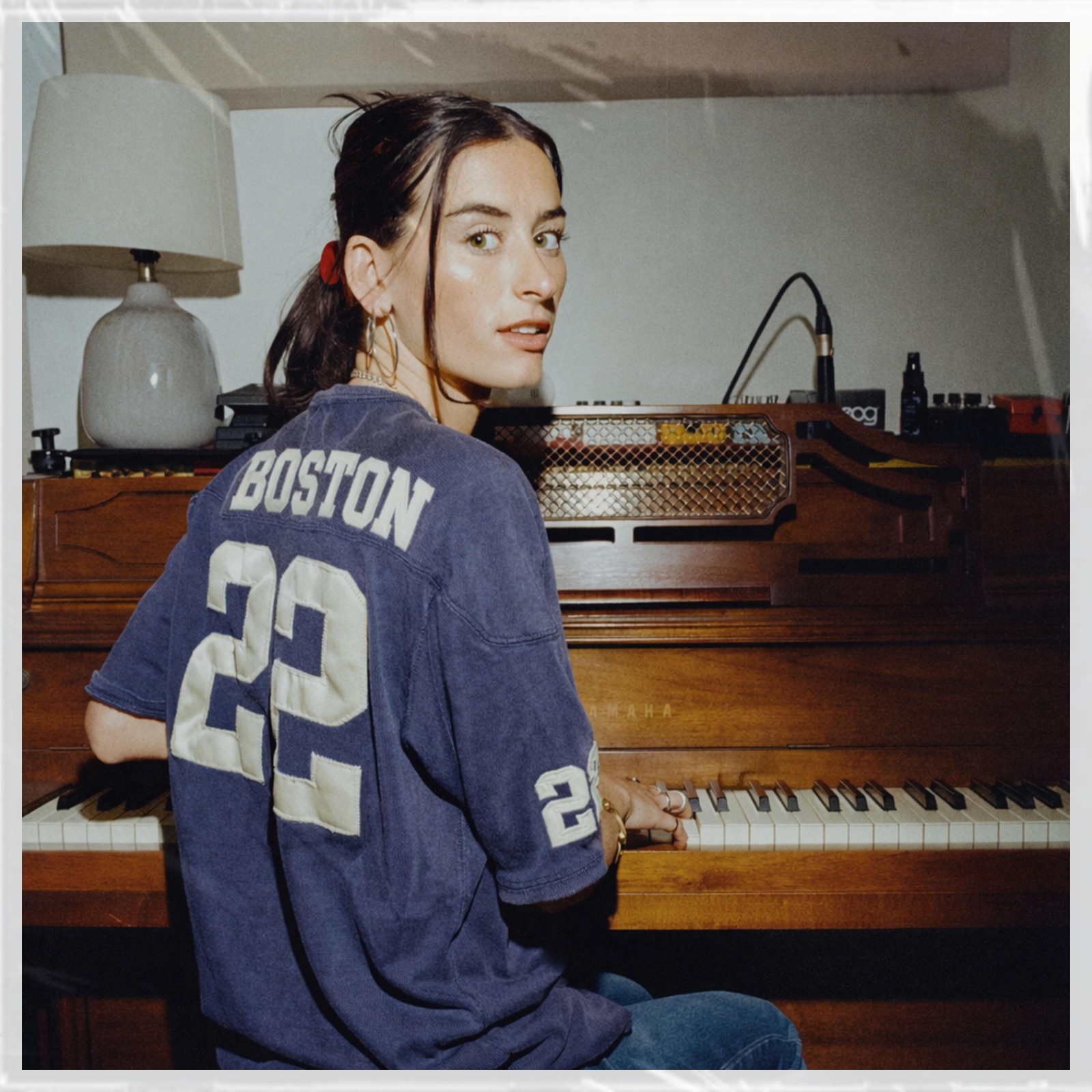
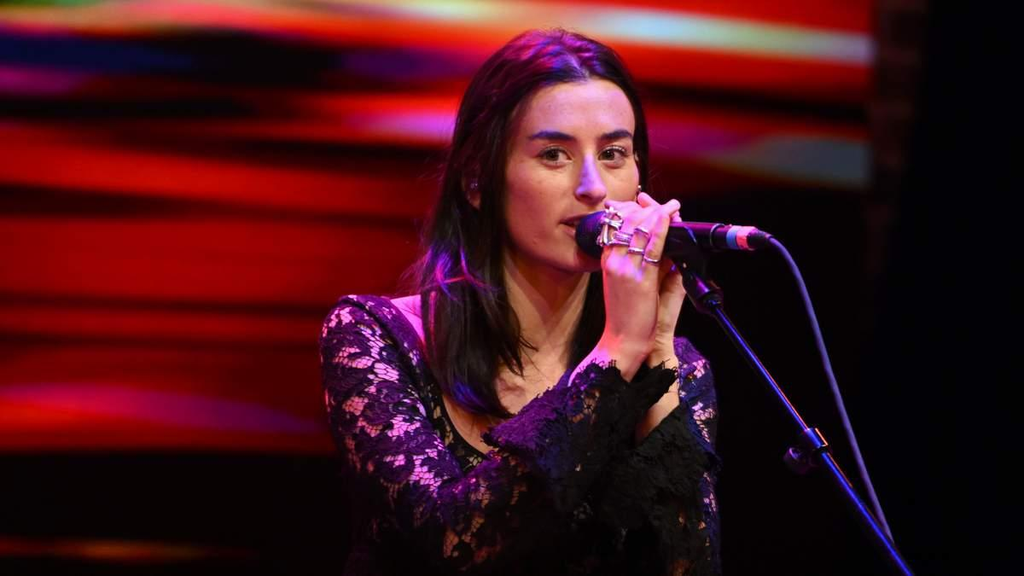
Stella Lefty is the stage name of Stella Lefkofsky, a singer-songwriter from the Chicago area who has moved into the pop-country spotlight.

Before becoming widely known for “Boston,” Lefty was already posting music online and building an audience through social media. Her early online presence included covers and original music, helping her develop a following before her breakthrough single reached a much larger audience.
Her path into music has been somewhat unusual.
Lefty initially wanted to work primarily as a songwriter rather than become the face of a major pop-country project. Her growing online audience eventually helped change that direction.
That background is important because “Boston” wasn’t introduced to listeners through a traditional radio-first campaign.
The internet came first.
How Did “Boston” Become Viral?
The turning point came when Lefty posted a clip of “Boston” on social media.
The song’s chorus immediately connected with listeners, and the clip began spreading beyond her existing audience.
TikTok played a particularly important role in that growth. As people discovered the song through short-form videos, interest moved from the original clip toward the full recording.
That created a familiar modern music cycle:
A short clip gets attention → people search for the full song → streams increase → more people discover the artist → the song begins appearing on charts.
According to recent reporting, that process helped transform “Boston” from an unfinished idea into a major commercial release.
The important point is that the song did not need to begin as a conventional radio hit.
Its audience was built online first.
What Is “Boston” About?
Despite its title, “Boston” is not simply a song about the city of Boston.
The song centers on a relationship and the emotional tension of staying with someone even when part of you believes you should leave.
That relatable theme helped give the track a broad appeal.
Rather than telling an extremely complicated story, “Boston” uses a straightforward emotional idea that listeners can quickly understand.
That simplicity is part of what made the song work particularly well in short-form video.
A listener can hear a small section of the chorus and understand the mood without needing to know the entire story.
Why Does the Song Sound Familiar?
One of the biggest conversations surrounding “Boston” concerns its similarity to Noah Kahan’s “Stick Season.”
Listeners noticed similarities between the songs, particularly in the chorus and musical progression.
Kahan was subsequently added as a songwriter on “Boston.”
Lefty has said she did not write the song intending to copy Kahan. In a recent interview, she explained that she was not thinking about Kahan when she wrote the song, but his team later contacted her about the similarities. She ultimately agreed to give him a retroactive songwriting credit.
That distinction matters.
A songwriting credit does not by itself establish that a song was intentionally copied. It recognizes Kahan’s contribution to the composition as released.
The controversy has nevertheless become part of the larger story surrounding “Boston.”
Why Was Noah Kahan Given a Writing Credit?
According to Lefty’s account, the similarity became clear after “Boston” began attracting attention.
Kahan’s “Stick Season” had already become a major success, and listeners quickly noticed the resemblance between the two songs.
Rather than allow the dispute to become a prolonged legal battle, Lefty agreed to add Kahan to the songwriting credits.
The decision meant that the published credits for “Boston” reflected the connection between the two compositions.
It also gave the song an unexpected link to one of the most recognizable singer-songwriters of the recent folk-pop and alternative-country crossover movement.
“Boston” Reached No. 2 on the Billboard Hot 100
The commercial performance of “Boston” is difficult to ignore.
The song climbed to No. 2 on the Billboard Hot 100, making it one of the biggest songs of 2026.
That achievement is particularly notable because Lefty was a new mainstream artist when the song began gaining attention.
The track also crossed between pop and country audiences rather than remaining inside one genre.
Recent reporting describes “Boston” as one of the year’s defining crossover hits, with the song continuing to hold the No. 2 position during the latest chart period.
Its success demonstrates how quickly a song can move from a social-media audience into the mainstream music industry.
Why TikTok Matters So Much to the Story
TikTok has changed how many listeners discover music.
In the past, a new artist might need radio support, major playlist placement or a large promotional campaign before reaching a national audience.
Now a short video can serve as the introduction.
“Boston” is a particularly useful example because the song’s initial online popularity developed before it became a major chart record.
The audience effectively helped determine that the song deserved a larger release.
That doesn’t mean TikTok guarantees success.
Thousands of songs become popular on social media without becoming sustained chart hits.
What makes Lefty’s story unusual is that the attention surrounding “Boston” continued growing after the initial viral moment.
Stella Lefty’s Debut Album, Long Way Home
The success of “Boston” eventually led into Lefty’s debut full-length album, Long Way Home.
The album was released on August 21, 2026, and contains 14 tracks.
“Boston” appears alongside songs including “Thinking ’bout You,” “Whiskey,” “Slow Dancin’,” “Something To Lose,” “Summer You Were Mine” and “Why Wouldn’t We.”
The album gives listeners a chance to hear more than the song that made Lefty famous.
That is important for a new artist.
A viral single can attract millions of people, but an album shows whether there is enough material to keep those listeners interested.
What Is the Sound of Long Way Home?
Lefty’s music sits between contemporary country and pop.
The songs use familiar country imagery and relationship-focused songwriting while keeping the production accessible to mainstream pop listeners.
That crossover quality is part of what makes “Boston” easy to place on both country and pop playlists.
The album’s official description emphasizes the pop-country influences that shaped Lefty’s musical identity and helped inspire her decision to pursue music.
Whether listeners consider the style innovative is another question.
Some critics have argued that parts of the album rely heavily on familiar country-pop formulas, while other coverage has emphasized Lefty’s ability to write catchy songs and connect with a large online audience.
The Nepotism Debate
Another major part of the conversation around Stella Lefty is her family background.
Lefty is the daughter of billionaire entrepreneur Eric Lefkofsky, a co-founder of Groupon.
That fact has led some people online to describe her as a “nepo baby” and question how much her family’s wealth and connections contributed to her career.
There is an important distinction here.
Having a wealthy family can provide opportunities and resources that many aspiring musicians do not have. But that doesn’t automatically mean a successful song was created or popularized solely because of family wealth.
Lefty’s supporters point to the fact that “Boston” genuinely connected with listeners and developed a substantial audience.
Critics, meanwhile, question whether an artist with fewer resources would have received the same opportunities.
The debate has become part of Lefty’s public story, whether she wanted it to or not.
The Originality Question Goes Beyond “Boston”
The discussion around originality has also expanded beyond the breakout single.
Listeners have pointed out similarities between other songs on Long Way Home and previously released music.
For example, “Summer You Were Mine” has been compared with the Chicks’ “There’s Your Trouble,” while “Why Wouldn’t We” has drawn comparisons to Blake Shelton’s “I’ll Name the Dogs.”
The San Francisco Chronicle reported that these comparisons have contributed to growing online scrutiny of Lefty’s songwriting.
These comparisons should be treated carefully.
A similarity between two songs does not automatically prove plagiarism or intentional copying. Musical styles often overlap, especially within genres that use familiar chord progressions, themes and songwriting structures.
Still, the growing number of comparisons has made originality one of the central questions surrounding Lefty’s debut era.
Is “Boston” Actually a Country Song?
“Boston” sits in an interesting place between genres.
It has country-inspired storytelling and imagery, but its accessible production and pop-friendly structure allow it to reach listeners outside traditional country audiences.
That crossover has become increasingly common.
Modern country music frequently overlaps with pop, folk and singer-songwriter music, and artists can move between those audiences without fitting neatly into one category.
Lefty’s success suggests that this hybrid sound can work particularly well on social media.
The song doesn’t require listeners to identify as country fans before they enjoy it.
Stella Lefty’s Next Step
The biggest challenge for Lefty now is turning “Boston” into a career rather than allowing it to become the defining song of a single viral moment.
Her debut album is the first test.
Her touring plans are another.
Lefty has announced a 2027 Long Way Home Tour, with North American dates beginning in January and a run that includes cities such as Detroit, Boston, Brooklyn, Philadelphia, Atlanta, Nashville and Chicago. Live Nation confirms the tour is supporting her debut album.
She is therefore moving from the world of viral clips into the more traditional work of touring and performing for audiences in person.
That transition can be much harder than becoming popular online.
What Makes Stella Lefty’s Rise Interesting?
The most interesting part of the Stella Lefty story isn’t simply that “Boston” became popular.
It is how many different parts of the modern music industry collided in one story.
There is TikTok.
There are streaming platforms.
There are Billboard charts.
There is country-pop crossover.
There is the question of songwriting credits.
And there is the debate over how wealth and privilege affect access to the music business.
All of those conversations became connected to one song.
That makes “Boston” more than another viral track.
It is an example of how complicated becoming a new pop star can be in 2026.
BunnyBuzz Take: Can She Move Beyond “Boston”?
The real test for Stella Lefty will come after the initial excitement fades.
A No. 2 Billboard hit gives an artist enormous visibility, but it doesn’t automatically create a lasting career.
The next question is whether listeners who discovered Lefty through “Boston” will stay for the rest of Long Way Home.
If they do, “Boston” could eventually be remembered as the song that introduced a major new country-pop artist.
If they don’t, it could become one of those huge viral songs that defines an artist’s career before the audience moves on.
Right now, it is too early to know which outcome will happen.
But Lefty has already achieved something many emerging artists spend years trying to accomplish: she has turned a song posted online into a genuine mainstream hit.
Final Thoughts
Final Thoughts
Stella Lefty’s “Boston” is a perfect example of how unpredictable music success has become.
A song can begin with a short social-media clip, attract an audience without traditional promotion, climb the charts and eventually become the centerpiece of a debut album.
But Lefty’s story also shows the complicated side of modern fame.
The song’s similarity to “Stick Season,” the resulting songwriting credit, questions about her family’s wealth and comparisons involving other songs have all become part of the public conversation.
For now, one fact remains difficult to dispute: “Boston” connected with a huge audience.
The next chapter will determine whether Stella Lefty can turn that connection into something bigger than one viral song.
Her debut album Long Way Home and her upcoming tour give her the opportunity to do exactly that.
Sources
Spotify — official Long Way Home track listing
Billboard — chart coverage of “Boston”
Netflix? No — this article relies on music-industry and artist sources rather than entertainment aggregators.
PEOPLE — Stella Lefty’s explanation of the Noah Kahan songwriting credit
Vulture — background on “Boston,” TikTok and the originality debate
The San Francisco Chronicle — reporting on the songwriting controversy
The Guardian — review and discussion of Long Way Home
Live Nation — official 2027 Long Way Home Tour announcement
Stella Lefty’s official website and music pages