A Classic Story Returns With a Different Perspective
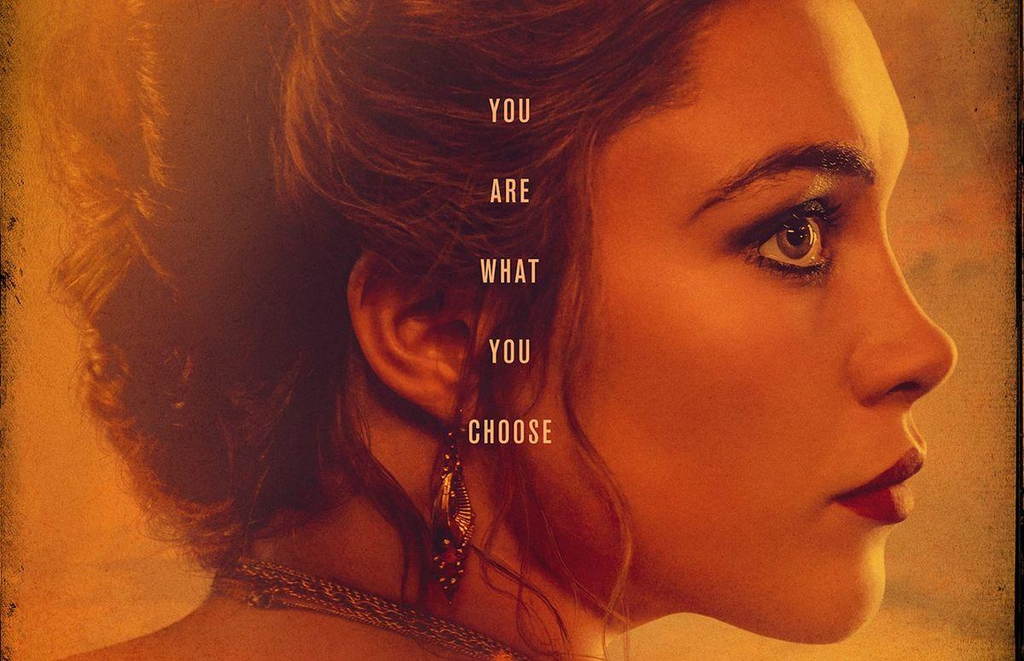
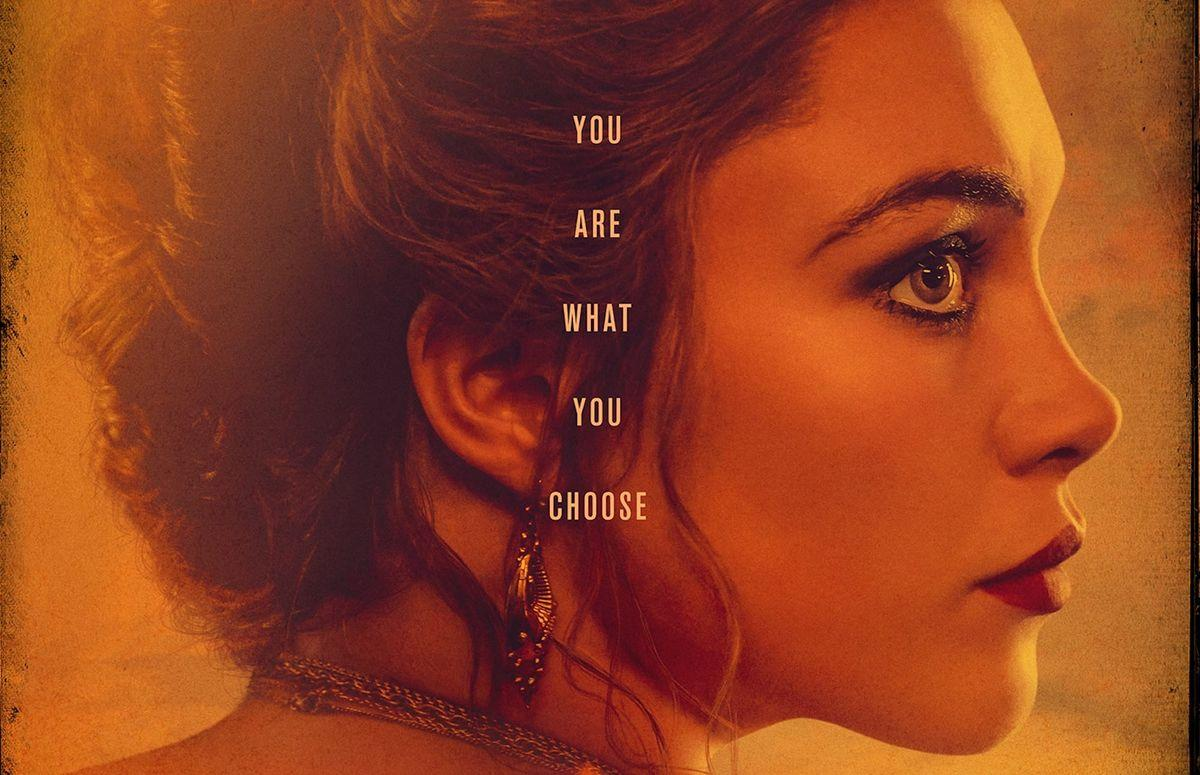
Netflix has brought John Steinbeck’s East of Eden to television in a seven-episode limited series led by Florence Pugh. Released globally on October 1, 2026, the adaptation revisits the American author’s 1952 novel, a family saga built around rivalry, inherited conflict, and the difficult question of whether people can choose what kind of person they become.
The new version has attracted attention for its decision to place Cathy Ames at the centre of the story. Cathy is one of Steinbeck’s most unsettling characters, traditionally portrayed as manipulative and destructive. Rather than presenting her only as a symbol of evil, writer and executive producer Zoë Kazan explores more of the experiences and circumstances that shape her.
That change gives the adaptation a clear identity of its own. It is not simply an attempt to reproduce a famous novel on screen. It asks viewers to reconsider a character whose actions have made her both fascinating and deeply disturbing.
What Is East of Eden About?
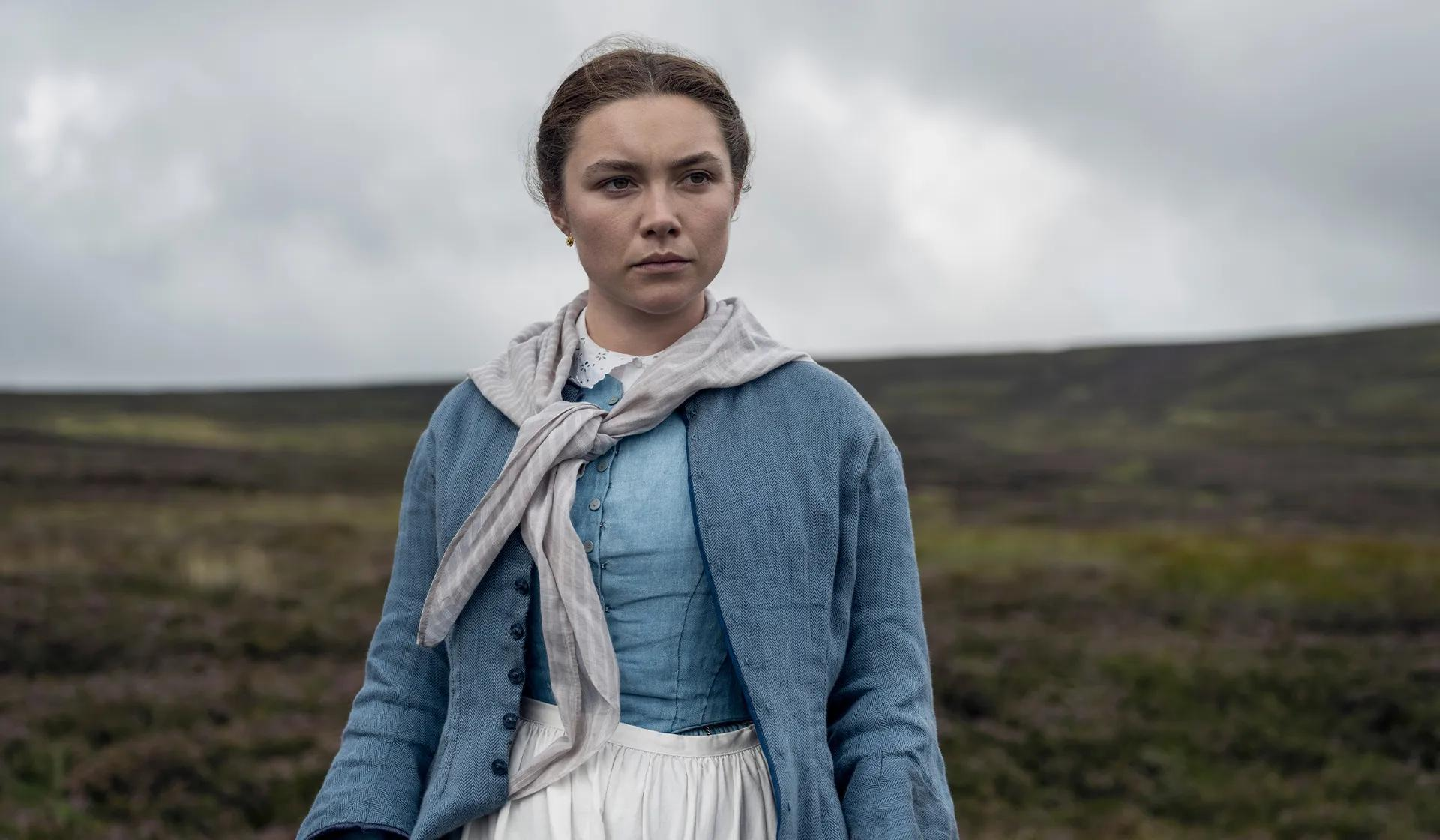
The story follows the Trask family across generations, beginning with the difficult relationship between brothers Adam and Charles. Their rivalry is shaped by their father, Cyrus, and by their different experiences of family, affection, and approval.
As the story develops, Cathy Ames becomes closely connected to the family. Her decisions alter the lives of the people around her and contribute to conflicts that continue into the next generation.
The series moves between family relationships and the wider social world of early twentieth-century America. Its setting, including California’s Salinas Valley, is important to the story: the landscape represents opportunity and the promise of a new life, but the characters carry their own conflicts wherever they go.
At its heart, East of Eden asks a question that remains relevant today: are people defined by their upbringing and circumstances, or can they choose to become something different?
Florence Pugh Plays Cathy Ames
Florence Pugh takes the lead as Cathy Ames, the character around whom much of the adaptation revolves.
Pugh has built a reputation for performances that explore complicated characters, including her roles in Lady Macbeth, Midsommar and Little Women. Cathy presents a different challenge because she is not designed to be an easy character to understand or sympathise with.
In Steinbeck’s novel, Cathy is associated with calculated cruelty and an apparent lack of remorse. The television adaptation examines her history more closely, offering a broader view of the forces that shape her behaviour without making her choices simple or harmless.
This is one of the most significant differences in the new version. Instead of asking audiences to accept Cathy as an uncomplicated villain, the series encourages them to examine the person behind the reputation.
That approach does not require viewers to approve of Cathy’s actions. Understanding a character and excusing that character are two different things, and the tension between those ideas is central to the adaptation.
Netflix’s official interview coverage also highlights how closely Pugh engaged with the character, while reviews from The Guardian and Variety discuss her performance as a major element of the series.
Full Cast of the Netflix Series
The seven episodes feature an ensemble cast portraying the Trask family and the people whose lives become connected to them.
| Actor | Character |
|---|---|
| Florence Pugh | Cathy Ames |
| Christopher Abbott | Adam Trask |
| Mike Faist | Charles Trask |
| Hoon Lee | Lee |
| Tracy Letts | Cyrus Trask |
| Martha Plimpton | Faye |
| Ciarán Hinds | Samuel Hamilton |
| Joseph Zada | Cal Trask |
| Joe Anders | Aron Trask |
The cast brings together established performers and younger actors who carry the story into its next generation. Christopher Abbott and Mike Faist play the brothers whose relationship establishes much of the family conflict, while Hoon Lee’s Lee provides another important perspective on the household and its relationships.
Zoë Kazan’s Connection to the Story
The series is written and executive-produced by Zoë Kazan, whose connection to East of Eden goes beyond her work as an actor and screenwriter.
Her grandfather, filmmaker Elia Kazan, directed the 1955 film adaptation starring James Dean. The new television version therefore approaches the same literary source from a different generation of the family associated with its earlier screen history.
However, the new series is not simply a remake of that film. The original movie concentrated on a portion of Steinbeck’s novel, while the seven-episode format allows the television adaptation to explore a wider span of the story and more of its characters.
Directors Garth Davis and Laure de Clermont-Tonnerre share the directing work across the episodes. Davis directed the first four, while de Clermont-Tonnerre directed the final three. Jeb Stuart served as co-showrunner and executive producer alongside Kazan.
The expanded format matters because East of Eden is a multigenerational story. Family tensions do not begin and end with one character; they influence children, siblings, and parents long after the original conflict has started.
How the New Version Differs From the 1955 Film
The best way to understand Netflix’s adaptation is to consider its focus rather than simply comparing the actors.
The 1955 film, directed by Elia Kazan, is particularly associated with James Dean’s performance as Cal Trask. It adapts part of the novel and concentrates on the conflict between Cal and his family.
The new series has more room to explore Cathy’s background, the relationship between Adam and Charles, and the consequences of choices made across generations. Its structure also makes space for characters who cannot receive the same attention in a feature-length film.
The change in perspective is especially important for Cathy. Her character has often been discussed as an embodiment of evil in the original novel. The series retains her disturbing qualities but gives greater attention to her experiences and motivations.
That does not mean every viewer will agree with the reinterpretation. Some may prefer the moral clarity of Steinbeck’s original portrayal, while others may find the more psychologically detailed version more compelling.
The difference is what makes this adaptation worth discussing in its own right.
What Are Critics Saying About East of Eden?
Early reviews have highlighted the series’ performances, visual style, and approach to Steinbeck’s material, although the critical response is not entirely uniform.
Variety praised the work of Florence Pugh and Hoon Lee, describing their performances as central to the adaptation. The Guardian also found the drama engaging and visually rich, while raising questions about how fully the series develops Cathy’s psychology. The Los Angeles Times similarly focused on Pugh’s performance and the decision to place Cathy at the centre of the story.
These reviews point to the same central issue: the series is making an interpretive choice, not merely transferring the novel to a different format.
Whether that choice succeeds completely will depend on what viewers want from the story. People looking for a straightforward period drama may respond to the family conflicts and production design. Readers familiar with Steinbeck may be more interested in how the adaptation handles the novel’s moral questions and its most controversial character.
Is East of Eden Worth Watching?
For viewers who enjoy literary adaptations, family dramas, and morally complicated characters, East of Eden offers several reasons to give it a chance.
The seven-episode format provides room for a story that stretches across generations. Pugh’s performance gives the adaptation a strong centre, while the supporting cast helps establish the family relationships that drive the plot.
It is also a useful choice for viewers who want to explore a well-known literary work without watching the earlier film first. Familiarity with Steinbeck’s novel may add context, but the series presents its own interpretation of the characters and their conflicts.
The main consideration is tone. This is a serious period drama dealing with family dysfunction, manipulation, cruelty, and the consequences of difficult choices. It is not a light romantic series or a simple story of good people defeating bad people.
Netflix lists the show as TV-MA, so viewers should check the rating and content information before watching with younger audiences.
Final Verdict
Netflix’s East of Eden gives a classic American novel a new television life by placing Cathy Ames at the centre of its story. Florence Pugh’s performance, Zoë Kazan’s expanded adaptation, and the multigenerational family conflict distinguish the series from the best-known earlier screen version.
Its most interesting question is not whether Cathy is good or evil, but how much a person’s past can explain their choices—and whether explanation is the same as forgiveness.
The series is now streaming globally on Netflix, with all seven episodes available. For audiences interested in character-driven drama, it offers a fresh interpretation of a story that continues to raise difficult questions about family, responsibility, and human nature.
Sources
- Netflix Tudum — Official series guide and cast
- Netflix Tudum — Release date and first-look images
- Netflix — Official East of Eden page
- Variety — Review of the Netflix adaptation
- The Guardian — Television review
- Los Angeles Times — Review and analysis