The Dyatlov Pass Incident: The Chilling Mystery That Has Baffled the World for More Than 60 Years
Throughout history, countless mysteries have left investigators searching for answers, but few have captured the world’s imagination quite like the Dyatlov Pass Incident. More than six decades after the tragedy, it remains one of the most discussed unsolved cases in modern history.
What happened to nine experienced hikers during a winter expedition in the remote Ural Mountains of the former Soviet Union?
Why did they abandon their tent in freezing temperatures?
And what forced them into the snow with almost no protection against the brutal winter?
These questions have fueled decades of investigations, documentaries, books, and theories. While modern research has provided possible explanations for some parts of the mystery, the Dyatlov Pass Incident continues to fascinate people around the world.
A Winter Expedition Begins
In January 1959, a group of experienced hikers set out on a challenging expedition across the northern Ural Mountains.
The team was led by Igor Dyatlov, a 23-year-old engineering student known for his outdoor experience and leadership. Joining him were fellow university students and skilled hikers, all trained to handle difficult winter conditions.
Their goal was to complete a demanding skiing expedition that qualified for one of the highest hiking certifications available in the Soviet Union.
The group documented their journey with photographs and diary entries, smiling as they traveled through snow-covered forests and rugged mountain landscapes.
Nothing in those early photographs suggested the tragedy that would soon unfold.
The Final Campsite
By the beginning of February, the hikers reached the eastern slopes of a mountain known as Kholat Syakhl, a name often translated from the local Mansi language as “Mountain of the Dead.”
Despite the dramatic name, historians note that it refers to a mountain where little game was found for hunting rather than predicting future events.
On the evening of February 1, the group pitched their tent on an exposed mountainside instead of moving to the shelter of the nearby forest.
It would be the last campsite they ever established.
When the Group Failed to Return
The hikers were expected to send a telegram after completing their expedition.
When no message arrived, relatives initially believed the group had simply been delayed because winter expeditions often encountered unexpected weather.
As several more days passed without communication, concern quickly turned into alarm.
Rescue teams consisting of students, volunteers, soldiers, and experienced mountaineers began searching the remote region.
Nobody imagined the disturbing discovery awaiting them.
The Abandoned Tent
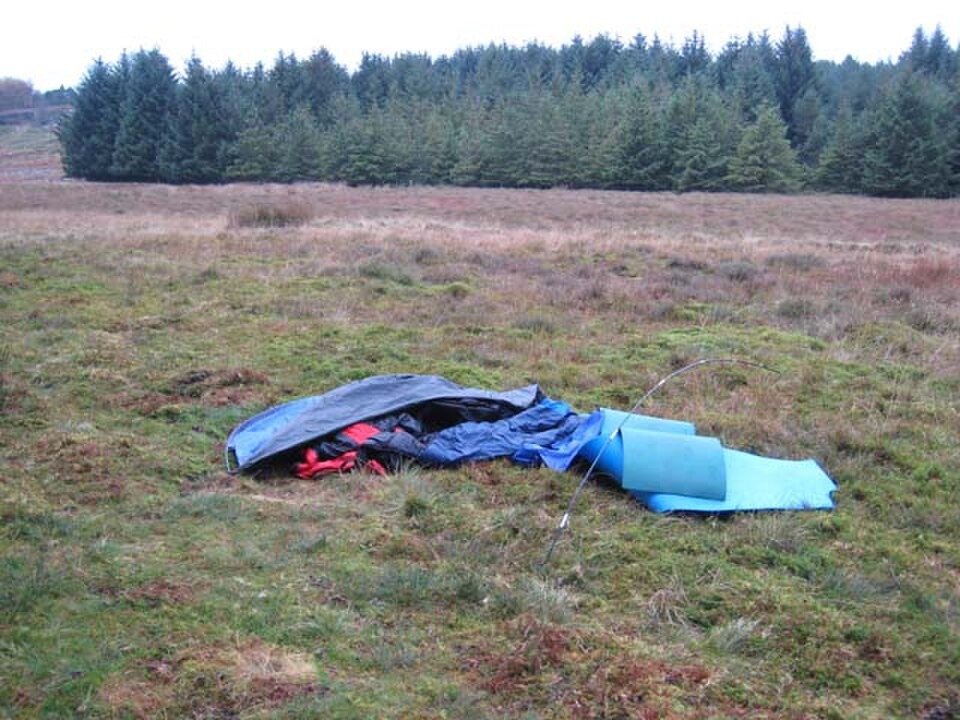
Searchers eventually located the group’s tent.
At first glance, it appeared strangely intact.
However, investigators immediately noticed something deeply unsettling.
The tent had been cut open from the inside.
Instead of leaving through the entrance, the hikers had apparently sliced through the fabric and escaped directly into the freezing night.
Inside the tent remained:
- Warm clothing
- Boots
- Food
- Personal belongings
- Cameras
- Maps
- Equipment
It looked as though the group had left in extreme haste.
Outside, footprints led downhill toward a nearby forest.
Some prints appeared to have been made by people wearing only socks—or no shoes at all.
Considering that temperatures were estimated to be around -25°C to -30°C, leaving shelter without proper clothing would have been extraordinarily dangerous.
The First Bodies Are Found
Following the footprints, rescuers discovered the first two victims beneath a large cedar tree.
Evidence suggested they had attempted to build a small fire.
Nearby branches had been broken several meters above the ground, leading investigators to believe someone may have climbed the tree, possibly to look back toward the campsite.
Over the following weeks, more members of the expedition were found along the route between the tree and the abandoned tent.
Some appeared to have been trying to return.
Others seemed to have remained together until the end.
The final four hikers were not located until months later, after the snow had begun to melt.
The Injuries That Deepened the Mystery
The official investigation found that several hikers died from hypothermia.
However, some of the final four victims suffered severe internal injuries, including fractured ribs and skull damage.
Importantly, investigators reported little or no corresponding external trauma, leading to years of speculation about what could have caused such injuries.
Modern forensic experts have noted that powerful impacts from natural events, such as heavy snow or falls into ravines, can sometimes produce severe internal injuries without the type of external wounds people might expect.
Even so, these findings became one of the biggest reasons the incident captured worldwide attention.
The Official Investigation
Soviet authorities opened an investigation shortly after the bodies were recovered.
Investigators examined photographs, equipment, weather conditions, footprints, and witness testimony.
The official case was eventually closed with the conclusion that the hikers had died because of an “unknown compelling natural force.”
The wording was unusually vague.
Because detailed records were not made public for many years, speculation grew rapidly.
Theories That Captivated the World
Over the decades, countless explanations have been proposed.
Some are grounded in scientific research.
Others belong more to popular culture than historical evidence.
Avalanche Theory
One long-discussed explanation is that the hikers feared an avalanche or dangerous snow movement.
If they believed snow might collapse onto their tent, they may have escaped immediately.
In 2021, a scientific study suggested that a small slab avalanche combined with terrain conditions could explain why the hikers suddenly left their tent and why some sustained significant injuries.
Not all researchers agree with this conclusion, but it is one of the leading scientific explanations today.
Extreme Weather
The Ural Mountains are known for violent winds, heavy snowfall, and rapidly changing weather.
Some researchers believe powerful winter conditions may have created confusion and disorientation after the hikers left the tent.
Once separated from their equipment, surviving in the freezing temperatures became increasingly unlikely.
Military Testing
Because the Soviet Union conducted military activities in various remote regions during the Cold War, some people have speculated that secret weapons testing played a role.
However, no publicly available evidence has confirmed that military experiments caused the hikers’ deaths.
Paranormal and UFO Claims
The mystery has also inspired stories involving UFOs, mysterious lights, unknown creatures, and supernatural forces.
These theories remain popular in books and documentaries, but historians and investigators have found no reliable evidence supporting them.
Why People Still Talk About Dyatlov Pass
More than sixty years later, the Dyatlov Pass Incident continues to fascinate millions.
Part of its appeal comes from the unanswered questions.
The hikers left behind photographs showing ordinary moments of friendship and adventure.
They were experienced outdoorsmen and women.
Yet something happened during one winter night that changed everything.
Because nobody survived to explain those final hours, the complete story may never be known.
Modern Investigations
Advances in forensic science, computer modeling, weather analysis, and snow research have allowed experts to revisit the case with fresh perspectives.
Many specialists now believe natural environmental factors provide the most likely explanation for much of what happened.
Still, certain details continue to be debated, ensuring the incident remains one of history’s most enduring mysteries.
Legacy of the Expedition
Today, the location is officially known as Dyatlov Pass, named in memory of expedition leader Igor Dyatlov.
The story has inspired:
- Books
- Television documentaries
- Feature films
- Podcasts
- Scientific research
- Historical investigations
Each new generation discovers the mystery and attempts to answer the same haunting question:
What really happened on that freezing February night?
Final Thoughts
The Dyatlov Pass Incident stands as one of history’s most compelling unsolved mysteries. While modern investigations have offered increasingly plausible natural explanations, the combination of harsh weather, incomplete historical records, and the absence of eyewitnesses means the event continues to inspire debate.
Whether viewed as a tragic accident or a case that still holds unanswered questions, the story reminds us how powerful nature can be—and how some historical mysteries continue to captivate the world decades later.
Stay tuned to BunnyBuzz for more fascinating mysteries, unexplained historical events, Hollywood news, and entertainment stories that continue to spark curiosity around the globe.