

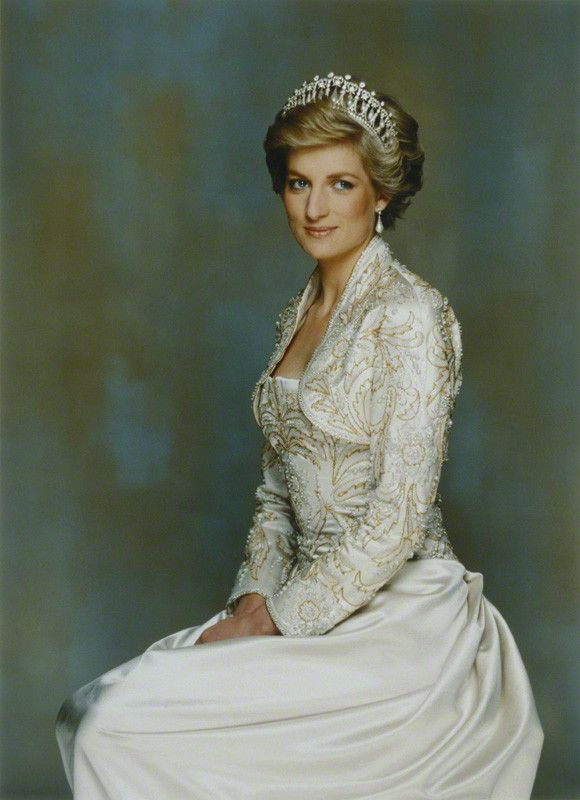
August 31, 2026, marks 29 years since the death of Diana, Princess of Wales, one of the most recognizable and influential figures of the modern British royal family.
Diana died in Paris on August 31, 1997, at the age of 36, following a car crash. Nearly three decades later, her life continues to attract worldwide attention, but her legacy extends far beyond the circumstances of her death.
She is remembered for her warmth, her public presence, her dedication to humanitarian causes and the way she used her enormous platform to bring attention to people and issues that were often overlooked.
For millions around the world, Diana was more than a member of the royal family. She became a symbol of compassion and a public figure who changed expectations about what royal service could look like.
Who Was Princess Diana?
Diana Frances Spencer was born on July 1, 1961, in Norfolk, England, into an aristocratic British family.
She grew up with connections to the British royal family and became particularly well known after her engagement to Charles, then the Prince of Wales.
Their wedding took place on July 29, 1981, at St Paul’s Cathedral in London.
The ceremony attracted enormous international attention and was watched by millions of people around the world.
Diana was only 20 years old when she married Charles, and her transformation from a relatively private young woman into one of the world’s most famous people happened incredibly quickly.
The public fascination with her was enormous.
Photographers followed her movements, newspapers reported extensively on her clothing and public appearances, and her personal life became a subject of intense international interest.
Yet alongside the fame, Diana gradually developed a distinctive role of her own.
Diana as a Mother
Diana and Charles had two sons: Prince William, born in 1982, and Prince Harry, born in 1984.
Diana was determined to give her children experiences that were different from the highly controlled environment traditionally associated with royal life.
She took William and Harry on visits and public outings and tried to expose them to people and situations outside their immediate royal world.
Her approach to motherhood became an important part of her public identity.
Diana often emphasized affection and emotional connection, something that made her seem approachable to people who watched her public life.
As William and Harry grew older, they both spoke about their mother and the influence she had on them.
Today, both princes continue to carry forward causes and charitable interests that are connected in various ways to issues Diana cared about.
A Different Kind of Royal
One reason Diana became so popular was the way she interacted with ordinary people.
She frequently shook hands, spoke directly with members of the public and spent time with people who were dealing with difficult circumstances.
Her body language and manner often appeared less formal than the traditional expectations placed on senior members of the royal family.
That difference helped create an unusually strong connection between Diana and the public.
She was photographed meeting children, patients, families, elderly people and people experiencing poverty or illness.
For Diana, these encounters were not simply opportunities for publicity.
They became an important part of her understanding of public service.
Her Humanitarian Work
Diana’s charitable work became one of the most important parts of her legacy.
During her years as a senior member of the royal family, she supported numerous organizations and causes.
She became particularly associated with issues involving homelessness, children, disability, poverty and serious illness.
One of her most significant areas of humanitarian work involved the global response to HIV and AIDS.
During the 1980s and 1990s, people living with HIV and AIDS faced widespread fear, misunderstanding and stigma.
Diana helped challenge some of those attitudes through her public appearances and personal interactions with people affected by the disease.
Her willingness to meet patients publicly helped communicate a simple but powerful message: people living with HIV deserved dignity and compassion.
Diana and HIV/AIDS Awareness
At a time when misinformation about HIV was widespread, Diana’s public engagement with patients received international attention.
She visited hospitals and met people living with HIV/AIDS.
Her approach helped challenge the idea that ordinary physical contact with someone living with HIV was dangerous.
For a global audience watching her, these moments had enormous symbolic importance.
Diana’s involvement did not solve the medical or social challenges surrounding HIV/AIDS, but it helped contribute to a broader public conversation about stigma and compassion.
Her work in this area remains one of the most frequently cited examples of her humanitarian influence.
Her Work Against Landmines
Another major part of Diana’s humanitarian legacy was her involvement in raising awareness about landmines.
In January 1997, she visited Angola as part of a campaign connected to the dangers of landmines.
She walked through a cleared minefield and met people whose lives had been affected by landmine injuries.
The images from that visit attracted global attention.
Diana’s involvement helped bring greater public visibility to the humanitarian consequences of landmines and the campaign for an international ban.
Her Angola visit became one of the defining moments of her humanitarian career.
Later that year, she also visited Bosnia and Herzegovina and continued speaking about the consequences of landmines.
Her work contributed to the growing international momentum that culminated in the Ottawa Treaty, which was opened for signature in December 1997.
The treaty prohibits the use, stockpiling, production and transfer of anti-personnel mines and requires their destruction.
Diana did not create the international campaign herself, but her public involvement helped draw extraordinary media attention to the humanitarian issue.
Diana and Homelessness
Diana also became closely associated with efforts to help people experiencing homelessness.
She visited shelters and organizations working with homeless people and brought her sons with her on some occasions.
These experiences were significant because they introduced William and Harry to people living circumstances very different from their own.
Diana believed that compassion could be strengthened by actually meeting people and listening to their experiences.
Her approach helped make homelessness and social exclusion visible to a much wider audience.
Her Relationship With the Media
Diana’s relationship with the media was complicated.
At the beginning of her public life, enormous media attention helped turn her into a global celebrity.
Her fashion, appearances, family life and relationships were followed closely by newspapers and television networks.
But the intense attention also created serious difficulties.
Photographers frequently pursued her, and the constant coverage of her private life became increasingly intrusive.
Diana sometimes used the media strategically to draw attention to charitable causes, but she also spoke about the pressures created by relentless public scrutiny.
Her experience became part of a larger conversation about the responsibilities of the press and the privacy of public figures.
The Breakdown of Her Marriage
Diana’s marriage to Charles became increasingly difficult during the 1980s and early 1990s.
The couple separated in 1992.
Their separation was followed by extensive media coverage and public discussion about their private lives.
Their divorce was finalized in August 1996.
After the divorce, Diana no longer held the title “Her Royal Highness,” but she continued to be known as Diana, Princess of Wales.
She also remained highly visible internationally and continued her humanitarian work.
Diana After the Divorce
Following her divorce, Diana began shaping a public identity that was increasingly independent from the royal family.
She continued supporting charitable organizations and became more selective about the causes she promoted.
Her public appearances often focused on humanitarian issues rather than royal ceremony.
This period demonstrated that Diana’s influence was not entirely dependent on her position within the monarchy.
Even after her formal role changed, people around the world continued to follow her work.
Her Influence on Fashion
Diana also had an enormous influence on fashion.
Her clothing was closely followed by newspapers, magazines and television programs.
From elegant evening dresses to more casual outfits, her style frequently generated international interest.
However, her fashion influence was only one part of her broader cultural impact.
What made Diana particularly distinctive was the combination of fashion, celebrity, royal status and humanitarian work.
She could generate headlines with an appearance at a public event while simultaneously drawing attention to the organization or cause she was supporting.
Diana’s Final Years
The final years of Diana’s life were marked by major personal and public changes.
After leaving her official royal role, she continued traveling internationally and supporting charitable causes.
She remained one of the most photographed people in the world.
Her personal life also attracted intense media attention.
Despite that pressure, humanitarian work remained an important part of her public identity.
Her visits to Angola and Bosnia in 1997 demonstrated how seriously she had begun taking international humanitarian issues.
She was increasingly using her global visibility to focus attention on people affected by conflict, poverty and disease.
The Night of August 31, 1997
Diana was in Paris in late August 1997.
On the night of August 31, she was involved in a car crash in the Pont de l’Alma tunnel.
She was taken to Pitié-Salpêtrière Hospital, where she died in the early hours of the morning.
She was 36 years old.
Her death immediately triggered an extraordinary international reaction.
News organizations around the world interrupted regular programming.
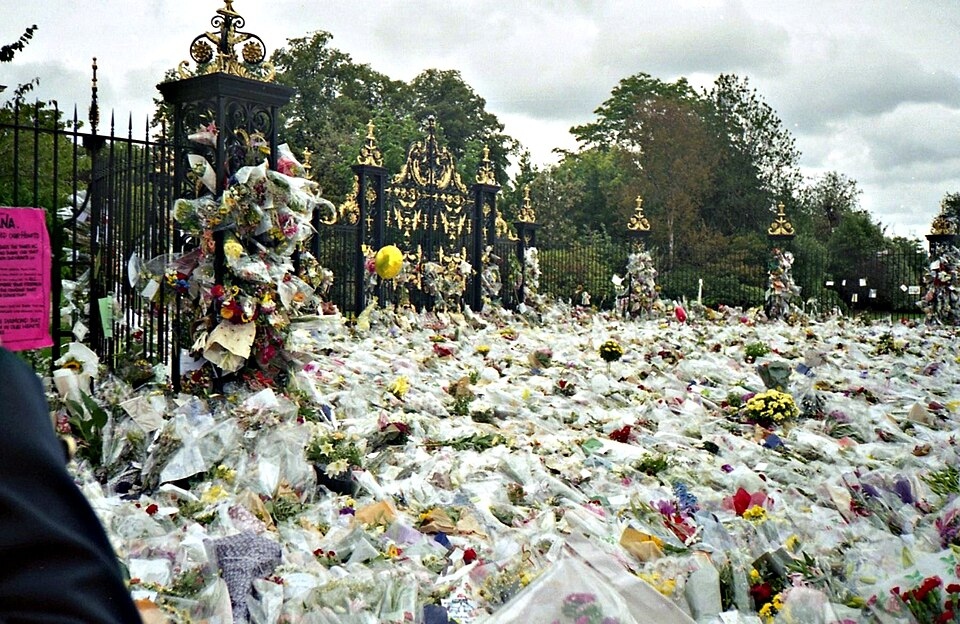
People gathered outside royal residences and public places to leave flowers and messages.
The scale of the public mourning surprised even those accustomed to Diana’s enormous popularity.
A World in Mourning
In Britain, enormous crowds gathered outside Kensington Palace and other locations associated with Diana.
Flowers covered the streets.
People who had never met her personally felt a profound sense of loss.
Her funeral took place on September 6, 1997.
The ceremony was watched by millions of people around the world.
The funeral procession and the service became some of the most memorable televised events of the decade.
Her sons, William and Harry, were among those walking behind the coffin during the procession.
They were still children at the time.
Her Legacy Continued Through Her Sons
Almost three decades later, Diana’s influence can still be seen through the work of her sons.
Prince William has focused heavily on issues including homelessness, mental health and environmental conservation.
Prince Harry has pursued charitable and humanitarian initiatives involving veterans, mental health and other causes.
Their approaches are different, but both have spoken publicly about the influence of their mother.
Diana’s approach to connecting with people continues to be referenced when discussing the public roles of her sons.
Why People Still Remember Diana
There are many reasons Diana remains such a powerful cultural figure.
For some people, she represents a more compassionate and approachable style of public service.
For others, she remains an enduring fashion icon.
Some remember her as a mother who tried to protect her children from the pressures of royal life.
Others primarily remember her humanitarian campaigns.
And for many people who watched her life unfold in real time, her sudden death remains one of the defining moments of their generation.
Her story combined extraordinary privilege with intense public pressure, personal difficulties and a genuine commitment to charitable causes.
That combination continues to fascinate people decades later.
Diana’s Humanitarian Legacy
Perhaps the most important way to remember Diana is through the causes she supported.
Her work helped bring attention to people who were often ignored or misunderstood.
She helped challenge stigma surrounding HIV/AIDS.
She brought global attention to the humanitarian consequences of landmines.
She supported homeless people and vulnerable children.
She visited hospitals and charitable organizations around the world.
She also demonstrated how a famous person could use media attention to amplify issues rather than simply receive attention for themselves.
That idea has become much more common among public figures today, but Diana was an important early example of this approach.
29 Years Later
On August 31, 2026, the world marks 29 years since Diana’s death.
Almost three decades have passed, but her name remains familiar to people across generations.
Books, documentaries, television programs, exhibitions and news reports continue to examine her life.
Her story has also been revisited by younger generations who were not alive when she died.
That continued interest demonstrates how deeply Diana’s life became embedded in modern British and global culture.
Yet remembering her should not be limited to the tragedy of August 31.
There is much more to her story.
She was a daughter, sister, wife and mother.
She became a princess and one of the most famous women in the world.
She experienced enormous public attention and difficult personal circumstances.
Most importantly, she used much of her later public life to support people facing serious challenges.
Remembering the Person Behind the Icon
Twenty-nine years after her death, Princess Diana remains an extraordinary figure.
Her life was complicated, and her public image was often shaped by a media environment that was intensely interested in every part of her existence.
But beyond the headlines and photographs was a woman who increasingly used her position to meet people, listen to their stories and draw attention to humanitarian causes.
That may ultimately be the most meaningful part of her legacy.
Diana’s greatest impact was not simply that she was famous.
It was that she used her fame to make other people visible.
From hospitals and homeless shelters to communities affected by landmines, she repeatedly placed vulnerable people at the center of public attention.
Final Thoughts
August 31, 2026, marks 29 years since Diana, Princess of Wales, died in Paris.
Her death brought an extraordinary chapter of modern British history to a sudden end, but her influence did not disappear.
Her sons continue their own charitable work. The causes she championed remain important. Her approach to humanitarian campaigning continues to be studied and remembered.
Diana’s life cannot be reduced to one tragic night.
She was a global celebrity, a royal, a mother and a humanitarian who changed the way millions of people viewed the British royal family.
Twenty-nine years later, people around the world continue to remember her not only for how she died, but for how she lived — and for the compassion she showed to people who needed to be seen and heard.