
There is no shortage of health advice online.
One person says you should completely avoid carbohydrates. Another says you need a special drink to “detox” your body. Someone else insists that eating after a certain hour automatically causes weight gain.
Some of these claims sound convincing because we hear them repeatedly.
But repetition does not make a health claim true.
Health advice can also be more complicated than a simple “good” or “bad.” What works for one person may not be appropriate for another, and recommendations can change as better evidence becomes available.
Here are 10 common health myths that deserve a second look, along with a more accurate way to think about them.
Note: This article is for general education, not personal medical advice. If you have a medical condition, take medication, are pregnant, or have specific dietary needs, speak with a qualified healthcare professional.
1. Myth: All Carbohydrates Are Bad for You 🍞
Carbohydrates have developed a surprisingly bad reputation.

You may have heard that cutting out bread, rice, potatoes, fruit, or other carbohydrate-containing foods is necessary for a healthy diet.
But carbohydrates are not automatically unhealthy.
According to the World Health Organization, carbohydrates provide the body’s primary source of energy, and for most people, carbohydrates from foods such as whole grains, vegetables, fruits, and pulses can form an important part of a healthy diet.
The bigger question is which carbohydrates you are eating and how much.
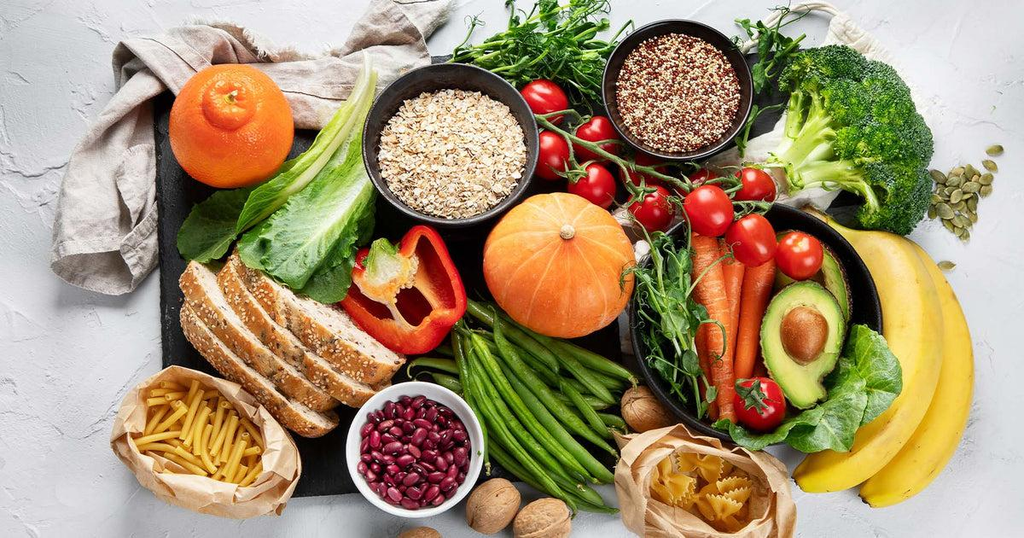
Whole grains, beans, lentils, fruits, and vegetables provide carbohydrates along with nutrients and dietary fiber.
Highly processed foods containing large amounts of free sugars are a different story.
The better way to think about it
Instead of asking:
“Should I stop eating carbs?”
Ask:
“What kinds of carbohydrates am I eating?”
A balanced diet can include carbohydrates.
2. Myth: You Need a Detox Drink to Cleanse Your Body 🥤
Detox teas, juices, powders, and special drinks are often marketed as ways to remove “toxins” from the body.

The idea sounds appealing.
But your body already has systems responsible for processing and eliminating waste, including organs such as the liver and kidneys.
A healthy lifestyle does not require a special juice to make your body work properly.
Instead of spending money on a “detox” product, focus on the basics: a varied diet, adequate hydration, regular physical activity, sufficient sleep, and limiting excessive alcohol and highly processed foods.
The WHO emphasizes overall dietary quality—adequacy, balance, moderation, and diversity—rather than a special cleansing diet.
The better habit
Rather than looking for a quick cleanse, build habits that support your health every day.
Your body does not need a trendy bottle to make healthy choices worthwhile.
3. Myth: Eating Fat Automatically Makes You Fat 🥑
The word “fat” can make people think of weight gain.
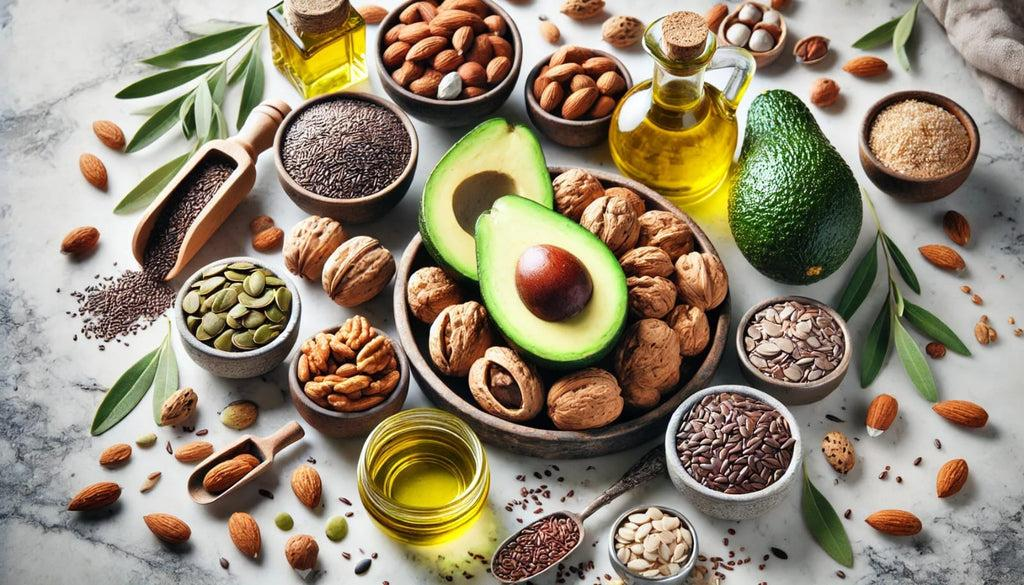
But dietary fat is an essential nutrient.
The WHO explains that fats are necessary for normal cell function and recommends focusing on the type of fat consumed rather than treating all dietary fat as identical. Unsaturated fats are generally preferable to saturated and industrially produced trans fats.
Foods such as nuts, seeds, and certain plant oils can be part of a healthy eating pattern.
The important point is moderation and overall dietary balance.
The better way to think about it
Don’t divide food into:
Fat = bad
Instead, consider:
What type of fat is it? How much am I eating? And what does the rest of my diet look like?
4. Myth: You Have to Avoid Eggs Because They Are “Bad for You” 🥚
Eggs have been the subject of health debates for decades.
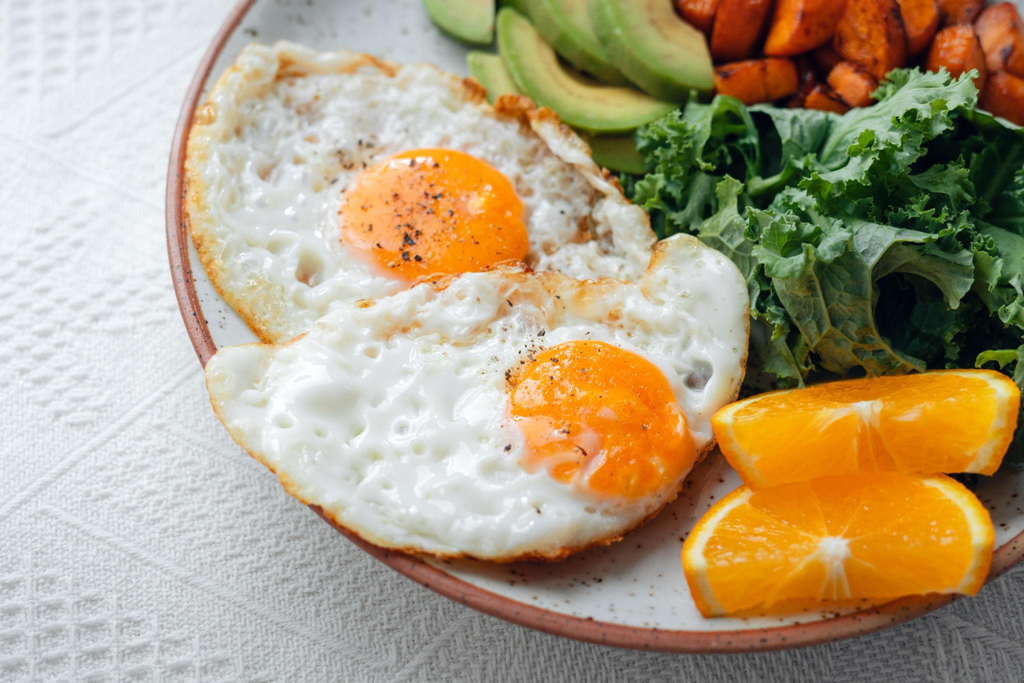
Some people completely avoid them because they contain dietary cholesterol.
But nutrition is rarely that simple.
The health impact of an individual food depends on the overall dietary pattern, preparation, portion sizes, and a person’s individual health circumstances.
Eggs can provide protein and other nutrients and are included among animal-source foods in WHO guidance on a varied diet.
That does not mean every person should eat unlimited eggs.
Someone with a particular medical condition may have different dietary requirements.
The better approach
Instead of labeling one food as universally “good” or “bad,” look at your overall eating pattern.
Variety matters.
5. Myth: Fruit Has Too Much Sugar and Should Be Avoided 🍎
This is another example of confusing different types of food.
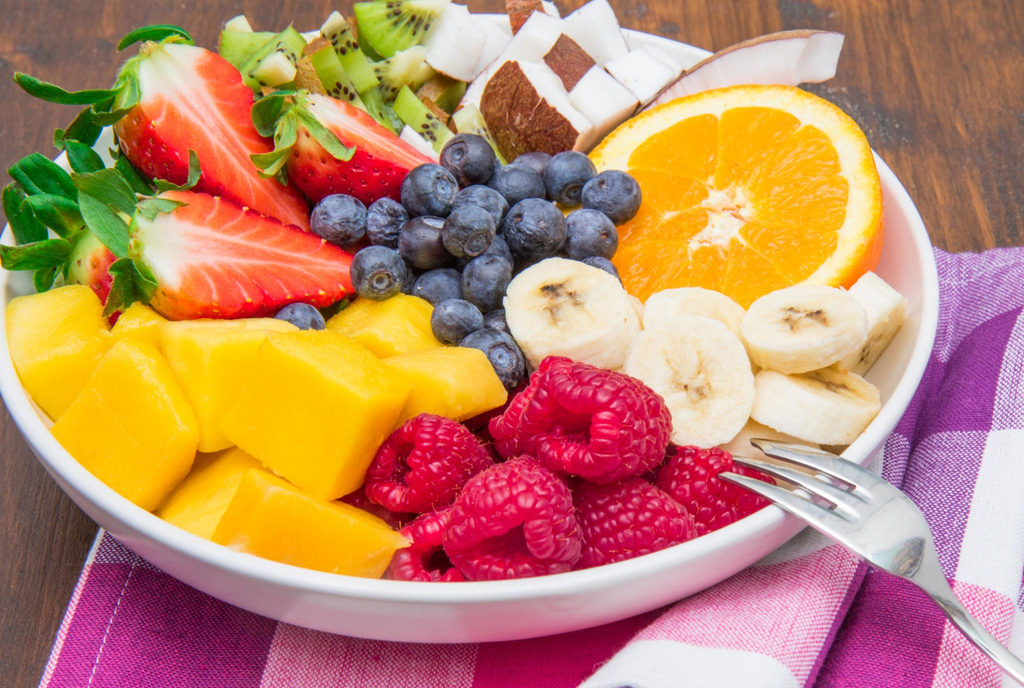
Fruit naturally contains sugar, but whole fruit also provides fiber, vitamins, minerals, and other beneficial components.
The WHO recommends eating a variety of fruits and vegetables and notes that whole fruits are nutritious choices. It also distinguishes free sugars—such as sugars added to foods and drinks—from the naturally occurring sugars within whole foods.
That is very different from saying that eating fruit is the same as drinking a sugary beverage.
The better habit
Choose a variety of whole fruits rather than fearing them simply because they contain naturally occurring sugar.
A colorful fruit bowl can be a much more nutritious choice than many highly processed sweet snacks.
6. Myth: You Should Completely Stop Eating After a Certain Time at Night 🌙
You’ve probably heard rules such as:

“Never eat after 7 p.m.”
Or:
“Eating after 8 p.m. automatically makes you gain weight.”
There is no universal clock time that suddenly transforms food into body fat.
Your overall diet, total energy intake, food choices, activity level, sleep, and individual circumstances all matter.
For some people, eating a large meal immediately before bed may also be uncomfortable or interfere with sleep.
But the idea that a specific hour automatically makes food unhealthy is an oversimplification.
The better approach
Pay attention to what you eat, how much you eat, and how your eating schedule fits your lifestyle rather than following an arbitrary clock rule.
7. Myth: Drinking More Water Is Always Better 💧
Water is essential.

Good hydration supports normal body functions, and choosing water instead of sugary beverages can be a simple way to reduce sugar intake.
But that does not mean you should force yourself to drink enormous quantities of water simply because someone online says more is always better.
Hydration needs vary according to factors such as activity, environment, diet, and individual circumstances.
The better habit
Drink regularly and pay attention to your body’s needs.
If you’re exercising heavily, working in hot weather, or losing significant amounts of fluid through sweating, your hydration needs can change.
And if you have a medical condition that affects fluid balance, follow your healthcare professional’s advice.
8. Myth: You Need to Completely Eliminate Sugar to Have a Healthy Diet 🍰
This myth can lead people toward extreme eating patterns.

A healthier message is not necessarily “never eat sugar.”
The WHO recommends limiting free sugars to less than 10% of total energy intake, with additional benefits potentially gained by reducing intake further.
That means moderation matters.
A birthday cake does not suddenly erase every healthy choice you’ve made.
The problem comes when foods and drinks high in free sugars become a large and frequent part of the diet.
The better approach
Enjoy treats occasionally while making nutritious foods the foundation of your everyday eating pattern.
Healthy eating does not have to mean never enjoying dessert.
9. Myth: Healthy Eating Means Eating the Same “Perfect” Foods Every Day 🥗
Social media often presents healthy eating as a perfect plate of the same foods every day.

But there isn’t one universal menu that everyone needs to follow.
The WHO emphasizes diversity, balance, adequacy, and moderation as core principles of a healthy diet.
Different people have different nutritional needs, cultures, budgets, food availability, and preferences.
One person may eat oats for breakfast.
Another may eat eggs and whole-grain bread.
Someone else may prefer lentils, vegetables, and rice.
Healthy eating can look different from one household to another.
The better approach
Build a varied diet that fits your needs and circumstances.
You don’t need an Instagram-perfect meal to eat well.
10. Myth: One “Healthy” Food Can Cancel Out an Unhealthy Diet 🥑
This may be one of the most misleading ideas of all.

Eating one superfood does not automatically make an otherwise poor diet healthy.
Likewise, eating one cookie does not make your entire diet unhealthy.
Health is influenced by patterns over time.
The WHO describes healthy diets as varied and balanced, with an emphasis on foods such as fruits, vegetables, legumes, whole grains, and other nutritious foods while limiting excessive free sugars, sodium, saturated fats, and industrially produced trans fats.
That means there is no magical food that fixes everything.
The better approach
Think about your overall pattern, not individual foods.
One meal is only one meal.
One day is only one day.
Your habits over time matter much more.
Why Health Myths Spread So Easily
Health myths often survive because they contain a small piece of truth.
For example, reducing excessive sugar can be beneficial.
But that does not mean all sugar-containing foods are equally unhealthy.
Eating fewer highly processed foods can be helpful.
But that does not mean every processed food needs to disappear from your diet.
Carbohydrate quality matters.
But that does not mean every carbohydrate is harmful.
The problem begins when a complicated subject is turned into a simple rule.
“Never eat this.”
“Always do that.”
“This one food will fix everything.”
Real health is usually more complicated.
A Better Way to Think About Health Advice
Before changing your diet or lifestyle because of something you saw online, ask a few questions:
Where did the claim come from?
Is it supported by a reputable health organization or qualified professional?
Is the claim too extreme?
Be cautious when someone says one food is either completely dangerous or a miracle cure.
Does it apply to everyone?
Health recommendations can differ depending on age, medical conditions, medications, activity level, and other factors.
Is there evidence?
A viral video may have millions of views without having strong scientific support.
Does it promise a quick fix?
Claims about instant detoxes, rapid weight loss, or miracle foods deserve extra skepticism.
The Real Secret to Better Health
There is no single food, drink, supplement, or morning routine that guarantees perfect health.
The fundamentals are much less exciting—but much more useful.
Eat a varied diet.
Choose nutritious foods regularly.
Include fruits, vegetables, whole grains, legumes, and appropriate sources of protein.
Limit excessive free sugars, salt, unhealthy fats, and highly processed foods.
Stay adequately hydrated.
Move your body.
Get enough sleep.
And when something sounds too good to be true, check the evidence before believing it.
The WHO’s current guidance emphasizes that healthy diets are built around adequacy, balance, moderation, and diversity, rather than extreme restrictions.
Final Thoughts
Health myths can be difficult to escape because they are repeated so often that they begin to sound like facts.
But good health is rarely about following the newest trend.
It is about understanding the basics and building realistic habits that you can maintain.
You don’t need to fear every carbohydrate.
You don’t need to avoid fruit because it contains natural sugar.
You don’t need a trendy detox drink.
And you don’t need to eat perfectly every single day.
The healthiest approach is often the most balanced one: less fear, fewer extremes, more variety, and better-informed choices.
For personal medical or nutrition concerns, especially if you have a health condition or take medication, consult a qualified healthcare professional rather than relying on general online advice.

